Introduction
Web development is evolving at lightning speed. New technologies, frameworks, and user expectations are constantly reshaping how modern websites and applications are built. In 2026, web development is not just about coding—it is about building intelligent, scalable, secure, and high-performing digital solutions.
Businesses today need fast-loading, secure, and future-ready platforms that deliver exceptional user experiences across all devices. Staying updated with the latest web development trends is essential to remain competitive and innovative.
In this blog, we explore the Top 10 Trends in Web Development to Watch in 2026, how they impact businesses, practical insights for implementation, common mistakes to avoid, and expert tips for long-term success.
Why Web Development Trends Matter in 2026
Technology adoption has become a major business differentiator. Companies that adopt modern development practices enjoy better performance, security, scalability, and customer satisfaction.
Keeping up with web development trends helps businesses:
- Build faster and more reliable websites
- Enhance user experience
- Improve search engine rankings
- Increase security and compliance
- Reduce operational costs
- Scale seamlessly
In 2026, future-ready web development directly translates into business growth.
Top 10 Trends in Web Development to Watch in 2026
1. AI-Powered Web Development
Artificial Intelligence is revolutionizing web development by automating workflows, optimizing performance, and personalizing user experiences.
AI-powered tools now assist developers in:
- Writing optimized code
- Detecting bugs
- Enhancing security
- Improving UX personalization
- Automating testing
This leads to faster development cycles, improved accuracy, and better website performance.
2. Progressive Web Apps (PWAs)
Progressive Web Apps combine the best of websites and mobile applications. They provide fast, reliable, and engaging experiences across all devices without requiring app downloads.
Key advantages include:
- Offline access
- Push notifications
- Faster load times
- Improved engagement
- Lower development cost
PWAs are becoming the preferred choice for businesses seeking mobile-first solutions.
3. Serverless Architecture
Serverless computing allows developers to build and deploy applications without managing infrastructure. This significantly reduces hosting costs, improves scalability, and speeds up deployment.
Benefits include:
- Automatic scaling
- High reliability
- Faster development
- Reduced maintenance
In 2026, serverless architecture is becoming standard for scalable applications.
4. API-First Development Approach
API-first development ensures that backend services are designed to work seamlessly with multiple platforms.
This approach enables:
- Faster development cycles
- Better system integration
- Improved scalability
- Multi-platform support
Businesses can easily connect websites, mobile apps, CRMs, and third-party platforms using secure APIs.
5. Headless CMS and Jamstack Architecture
Headless CMS decouples frontend and backend, allowing developers to use modern frameworks and deliver faster websites.
Jamstack architecture improves performance, scalability, and security by serving static assets through CDNs.
Key advantages:
- Faster load times
- Higher security
- Easy content management
- Greater design flexibility
6. WebAssembly (Wasm)
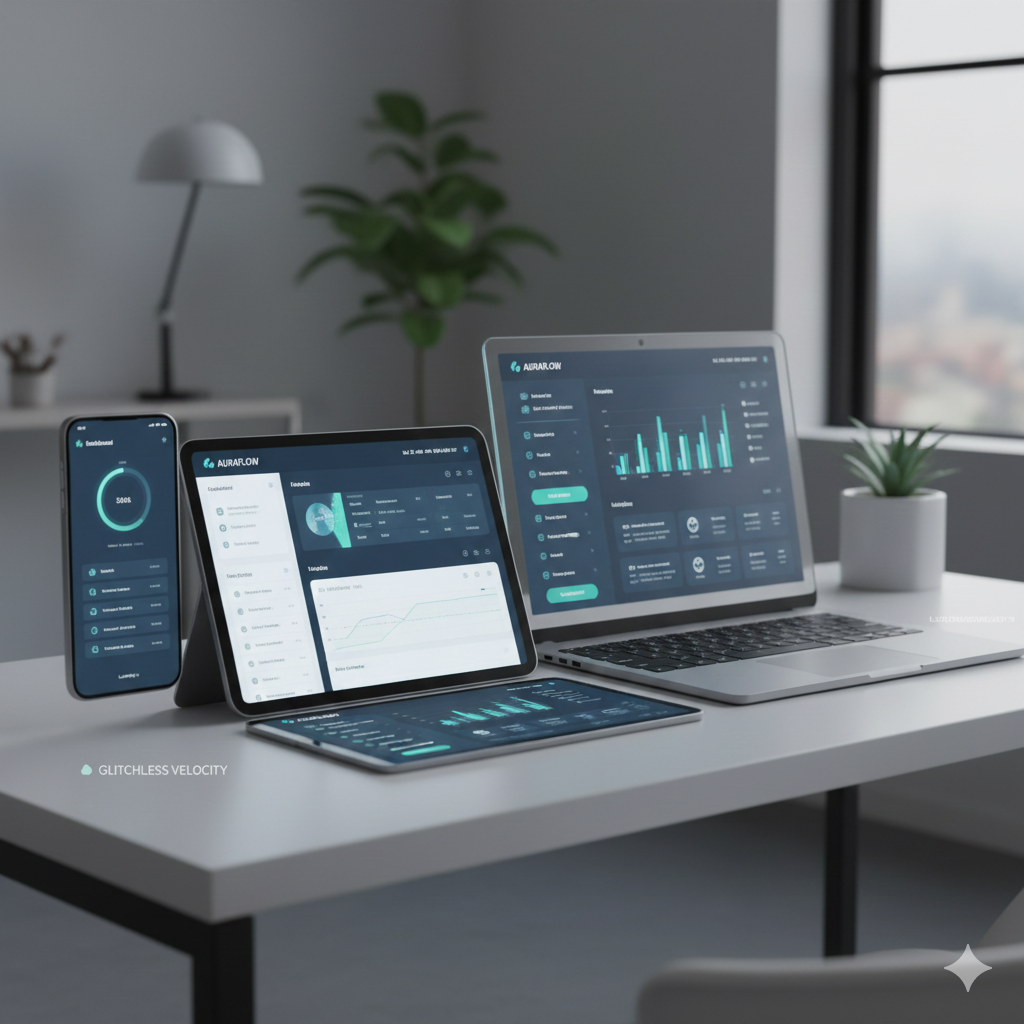
WebAssembly enables high-performance applications to run directly in browsers. It allows developers to write code in multiple programming languages and run it efficiently on the web.
This opens doors for:
- High-performance web apps
- Gaming platforms
- Data-intensive applications
- Real-time analytics dashboards
7. Low-Code and No-Code Development
Low-code and no-code platforms empower businesses to create functional applications without extensive coding.
This trend enables:
- Faster project deployment
- Reduced development costs
- Improved business agility
- Rapid prototyping
In 2026, businesses increasingly use these platforms for internal tools and MVP development.
8. Motion UI and Micro-Interactions
Smooth animations and micro-interactions improve usability and engagement.
Motion UI helps users understand actions, transitions, and feedback, leading to:
- Higher engagement
- Better navigation clarity
- Enhanced brand experience
9. Enhanced Cybersecurity Practices
With increasing cyber threats, security-first development is essential.
Modern security trends include:
- Zero trust architecture
- Advanced encryption
- AI-driven threat detection
- Regular vulnerability assessments
Secure web development protects user data and brand reputation.
10. Sustainable and Green Web Development
Eco-friendly websites consume fewer resources and deliver faster performance.
Green development focuses on:
- Optimized code
- Lightweight frameworks
- Reduced energy usage
- Efficient hosting solutions
Sustainable websites are becoming a major competitive advantage.
Benefits of Following Modern Web Development Trends
Improved Performance
Modern development techniques deliver faster load times and smoother user experiences.
Higher Scalability
Future-ready architecture allows seamless business expansion.
Stronger Security
Advanced development practices protect data and user privacy.
Enhanced User Experience
Optimized interfaces increase engagement and conversions.
Better SEO Performance
Search engines favor fast, secure, and user-friendly websites.
Practical Insights: How to Implement Modern Web Development Trends
Step 1: Audit Existing Infrastructure
Analyze performance, security, and scalability gaps.
Step 2: Adopt Modular Architecture
Use microservices, APIs, and headless CMS for flexibility.
Step 3: Optimize for Speed and Performance
Use CDN, caching, image optimization, and clean coding.
Step 4: Integrate AI and Automation
Enhance personalization, analytics, and testing workflows.
Step 5: Focus on Security from Day One
Implement encryption, authentication, and compliance standards.
Common Web Development Mistakes to Avoid in 2026
Ignoring Mobile Optimization
Mobile-first development is critical.
Poor Performance Optimization
Slow websites lead to higher bounce rates.
Over-Engineering Solutions
Complexity increases maintenance cost.
Neglecting Security Measures
Security breaches damage trust and business credibility.
Skipping Regular Testing
Testing ensures performance stability and bug-free deployment.
Future Trends and Expert Tips for Web Development Success
Hyper Automation
AI-driven automation will streamline development workflows.
Composable Architecture
Flexible modular systems will dominate enterprise development.
Real-Time Applications
Live dashboards, messaging platforms, and streaming solutions will rise.
Human-Centered Development
UX-driven development will continue shaping project decisions.
Why GearUp Code Is Your Ideal Web Development Partner
Choosing the right development partner defines project success.
GearUp Code offers:
- Custom web application development
- Scalable enterprise-grade solutions
- AI-powered automation
- Secure development practices
- SEO-optimized architecture
- Performance-focused coding
Their expert development team ensures your digital products are not only future-ready but also business-driven.
Conclusion: Build Future-Ready Web Solutions in 2026
Web development in 2026 is about speed, intelligence, security, and scalability. Businesses that embrace modern development trends gain competitive advantage, operational efficiency, and long-term growth.
By adopting AI, cloud-native technologies, and performance-first architecture, you can build platforms that deliver exceptional results.
Partner with GearUp Code to create powerful, future-proof web solutions that fuel business success.
👉 Contact GearUp Code today and start building the web solutions of tomorrow.