Introduction
Launching an e-commerce website sounds exciting — and it should be. An online store allows you to sell products 24/7, reach customers globally, and scale your business faster than traditional retail. However, many businesses rush into development without proper planning, which often leads to poor user experience, low conversions, or technical issues.
A successful e-commerce launch requires more than a beautiful website. You need strong branding, secure payment systems, optimized product pages, mobile-friendly design, SEO strategies, and conversion-focused features.
This complete checklist walks you through every step you need to prepare before launching your online store in 2026. Whether you are a startup or an established brand moving online, following these steps will help you create a high-performing e-commerce platform that attracts customers and drives sales.
Understanding the Foundation of an E-commerce Website
Before building anything, you must define your business goals and structure. A strong foundation helps you avoid costly redesigns and ensures your store grows smoothly.
Define Your Business Model
Decide what you plan to sell and how you will deliver it:
- Physical products
- Digital products
- Subscription services
- Dropshipping items
Clarify pricing strategy, shipping policies, and return processes early.
Choose the Right Platform
Select a platform that matches your business size and technical needs. Popular choices include:
- Shopify for quick and scalable stores
- WooCommerce for flexible WordPress-based sites
- Custom solutions for advanced features
Working with experts like GearUp Code helps you choose the best technology stack and ensures long-term scalability.
Website Design Checklist for High Conversions
Design plays a major role in customer trust and purchasing decisions. A well-designed website improves navigation and encourages visitors to explore products.
Essential Design Elements
- Clean, modern layout
- Mobile-first responsive design
- Clear navigation menus
- High-quality product images
- Strong call-to-action buttons
User Experience Best Practices
- Simple checkout process
- Fast-loading pages
- Easy product search and filtering
- Accessible content for all users
Good design reduces bounce rates and increases conversions.
Product Page Optimization Checklist
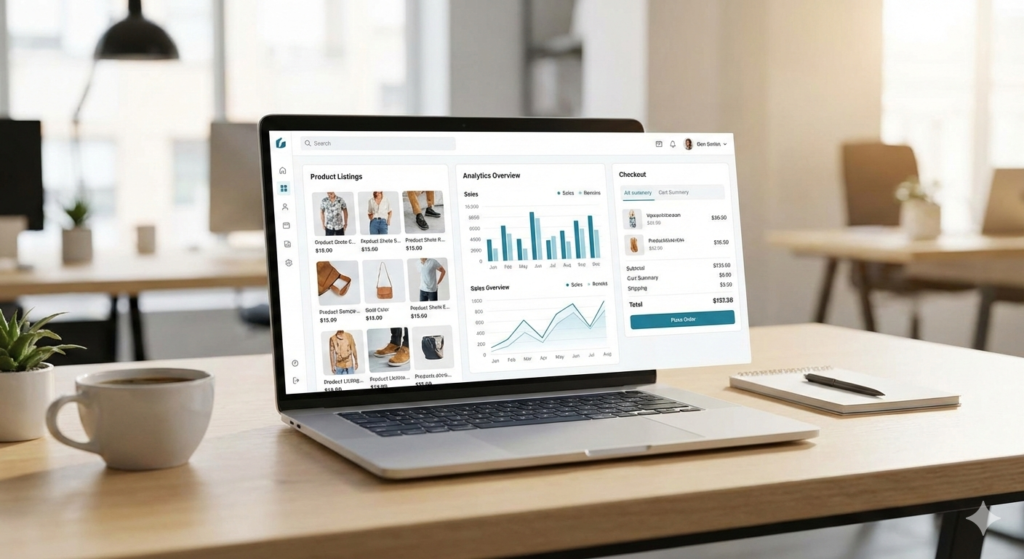
Your product pages act as your digital sales team. Each page should provide enough information to help customers make confident decisions.
Include the Following
- Detailed product descriptions
- High-resolution images
- Pricing and discount information
- Shipping and delivery timelines
- Customer reviews and ratings
Conversion Enhancements
- Product comparison features
- Related product suggestions
- Inventory availability indicators
- Trust badges and guarantees
Clear and informative product pages reduce hesitation and increase purchases.
Payment and Checkout Setup
Secure payment systems build trust and prevent cart abandonment.
Key Payment Features
- Multiple payment options (cards, wallets, UPI)
- Secure checkout encryption
- Guest checkout functionality
- Automatic tax calculation
Checkout Optimization Tips
- Minimize form fields
- Display progress indicators
- Offer order summaries
- Provide clear shipping costs
A smooth checkout experience directly improves sales performance.
Security and Compliance Essentials
Security protects your customers’ information and maintains your brand’s credibility.
Security Checklist
- SSL certificate installation
- Secure hosting environment
- Data encryption
- Regular backups
- Malware monitoring
Legal Compliance
- Privacy policy and terms of service
- Return and refund policies
- Cookie consent banners
- Data protection compliance
Strong security reduces risks and builds customer confidence.
SEO Checklist for E-commerce Websites
Search engine optimization helps customers find your products organically.
On-Page SEO Essentials
- Keyword-optimized product titles
- Unique product descriptions
- SEO-friendly URLs
- Structured headings
- Image alt text
Technical SEO
- Fast loading speeds
- Mobile responsiveness
- XML sitemap
- Internal linking structure
Content Strategy
- Product tutorials
- Buying guides
- Industry blogs
- FAQs
SEO increases visibility and attracts targeted traffic.
Marketing Setup Before Launch
Marketing preparation ensures you generate traffic immediately after launch.
Email Marketing
- Welcome email automation
- Abandoned cart reminders
- Promotional newsletters
Social Media Integration
- Product sharing buttons
- Instagram or social product feeds
- Influencer collaborations
Analytics Setup
Install analytics tools to track:
- User behavior
- Sales performance
- Conversion rates
- Traffic sources
Marketing readiness ensures faster growth.
Step-by-Step Pre-Launch Checklist
- Test website speed and performance
- Verify mobile compatibility
- Check all payment methods
- Test checkout flow completely
- Review product descriptions and images
- Confirm shipping settings
- Enable analytics tracking
- Conduct final security testing
A thorough pre-launch review helps you avoid technical issues on launch day.
Common Mistakes to Avoid
Ignoring Mobile Optimization
Many customers shop from mobile devices.
Using Generic Product Descriptions
Duplicate content harms SEO and trust.
Complicated Checkout Processes
Long checkout steps increase cart abandonment.
Skipping Testing
Unverified features can lead to customer frustration.
Weak Hosting Performance
Slow websites reduce conversions and search rankings.
Future Trends in E-commerce Websites (2026 and Beyond)
- AI-powered product recommendations
- Voice search shopping experiences
- Augmented reality product previews
- Personalized shopping journeys
- Subscription-based e-commerce models
Businesses that adopt modern technology early will gain a competitive advantage.
Conclusion
Launching a successful e-commerce website requires careful planning, strong design, secure infrastructure, and strategic marketing. By following this complete checklist, you can build a store that delivers a smooth user experience, attracts customers, and converts visitors into loyal buyers.
From choosing the right platform to optimizing product pages and ensuring strong SEO, every step plays a critical role in long-term success. If you want expert support with design, development, or optimization, consider working with GearUp Code to build a high-performing e-commerce platform that scales with your business goals.
Start your e-commerce journey with confidence — plan carefully, build strategically, and launch a store that stands out in 2026 and beyond.