Introduction
Choosing between a web application and a mobile application has become one of the most important technology decisions for businesses in 2026. With rapid advances in cloud computing, progressive web apps, mobile frameworks, and AI-powered platforms, the line between web and mobile experiences continues to blur.
Modern users expect fast performance, seamless navigation, and personalized experiences regardless of the device they use. Businesses need digital solutions that not only deliver great user experiences but also align with budget, scalability goals, and long-term growth strategies.
In this detailed guide, we explore Web Apps vs Mobile Apps in 2026, explain the key differences, benefits, use cases, practical insights, mistakes to avoid, and expert recommendations to help you choose the right solution for your business.
What Are Web Apps and Mobile Apps?
What Is a Web App?
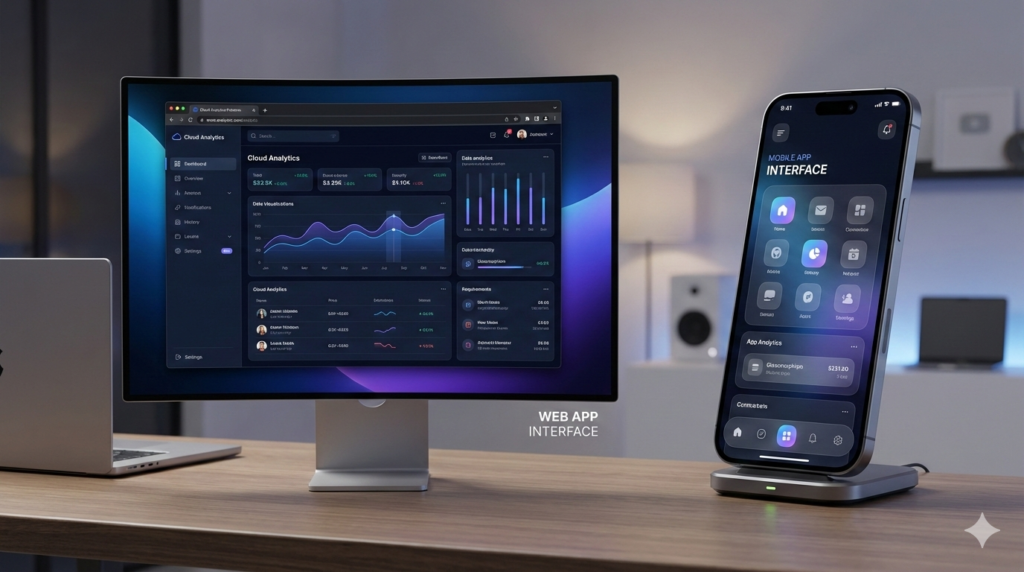
A web application runs in a web browser and does not require installation from an app store. Users access it through URLs on desktops, tablets, or smartphones.
Modern web apps use advanced technologies like Progressive Web Apps (PWAs), cloud hosting, and responsive design to deliver fast and interactive experiences.
What Is a Mobile App?
A mobile application is a software program installed directly on smartphones or tablets through app stores such as Google Play or Apple App Store.
Mobile apps can be native or cross-platform and offer deeper access to device hardware like cameras, GPS, and push notifications.
Web Apps vs Mobile Apps in 2026: Key Differences
1. Development Cost
Web apps usually cost less because developers build one version that works across multiple devices.
Mobile apps require separate development for Android and iOS unless using cross-platform frameworks.
2. Accessibility
Users access web apps instantly through browsers without downloads. Mobile apps require installation, which creates an additional barrier.
3. Performance
Mobile apps typically deliver faster performance because they run directly on the device. However, modern web technologies have significantly improved web app performance.
4. Maintenance and Updates
Web apps update automatically since changes happen on the server side. Mobile apps require users to download updates from app stores.
5. Device Features Integration
Mobile apps integrate deeply with hardware features like sensors and offline storage. Web apps support many features but may have limitations depending on browser capabilities.
Benefits of Web Apps in 2026
Lower Development and Maintenance Costs
Businesses can deploy a single solution across all platforms.
Instant Accessibility
Users access web apps without installation, increasing reach.
Easy Updates
Developers push updates instantly without requiring user action.
Cross-Platform Compatibility
Web apps run smoothly across devices and operating systems.
SEO Advantages
Web apps allow businesses to gain organic search visibility.
Benefits of Mobile Apps in 2026
Enhanced Performance
Mobile apps offer high-speed performance and smooth animations.
Offline Functionality
Users can access features even without internet connectivity.
Better Personalization
Mobile apps deliver customized experiences through device data.
Push Notifications
Businesses can engage users through direct messaging.
Stronger Brand Loyalty
Installed apps create long-term customer engagement.
When Should You Choose a Web App?
- Content-driven platforms
- SaaS products
- Booking and reservation systems
- Customer dashboards
- Educational platforms
- Online business tools
- Businesses seeking SEO visibility
Web apps work best when accessibility and scalability are top priorities.
When Should You Choose a Mobile App?
- E-commerce platforms with frequent users
- Fitness and health tracking apps
- Gaming applications
- Location-based services
- Ride-sharing platforms
- Social networking applications
- Businesses needing offline access
Mobile apps excel when performance and deep device integration matter.
Step-by-Step Guide to Choosing Between Web Apps and Mobile Apps
Step 1: Define Business Goals
Identify whether you want maximum reach, performance, or user engagement.
Step 2: Understand Your Audience
Analyze device usage patterns and user behavior.
Step 3: Evaluate Budget
Compare development and maintenance costs.
Step 4: Assess Feature Requirements
Check if your app needs advanced device features.
Step 5: Consider Long-Term Scalability
Choose a platform that supports future growth.
Step 6: Explore Hybrid Approaches
Many businesses use both web and mobile apps to maximize reach and performance.
Common Mistakes Businesses Make When Choosing App Platforms
Ignoring Target Audience Behavior
Choosing a platform without understanding user preferences leads to poor engagement.
Overestimating Features
Not every project needs a full mobile app.
Underestimating Maintenance Costs
Mobile apps require continuous updates and monitoring.
Neglecting Performance Optimization
Slow apps reduce user retention.
Skipping UX Planning
User experience directly impacts adoption and success.
Future Trends in Web Apps and Mobile Apps for 2026
Progressive Web Apps Becoming More Powerful
PWAs now support offline functionality, push notifications, and advanced interactions.
AI-Powered Personalization
Both web and mobile apps use AI to tailor experiences in real time.
Cross-Platform Development Growth
Frameworks like Flutter and React Native reduce development time.
Cloud-Native Applications
Cloud-based infrastructure improves scalability and performance.
Voice and Gesture Interfaces
New interaction methods improve accessibility and usability.
Why GearUp Code Is the Right Partner for Your App Development
Choosing between web apps and mobile apps requires technical expertise and strategic planning. GearUp Code helps businesses build scalable, high-performance digital solutions tailored to their goals.
GearUp Code Services Include:
- Custom web application development
- Native and cross-platform mobile app development
- SaaS platform development
- UX-focused design solutions
- Cloud-based scalable architecture
- SEO-optimized web app development
Their experienced development team ensures your app aligns with modern technology trends and business growth strategies.
Conclusion: Web Apps vs Mobile Apps in 2026 — Choose Smartly for Growth
Both web apps and mobile apps offer powerful benefits in 2026. The right choice depends on your business goals, target audience, budget, and required features.
Web apps provide accessibility, scalability, and cost efficiency, while mobile apps deliver superior performance and deeper engagement. Many successful businesses combine both solutions to create seamless omnichannel experiences.
Partner with GearUp Code to develop future-ready applications that deliver performance, scalability, and measurable business results.
Contact GearUp Code today and build the perfect app solution for your business.